WhatsApp Support: +44 7481780218 | Email: info@applylicenceuk.com

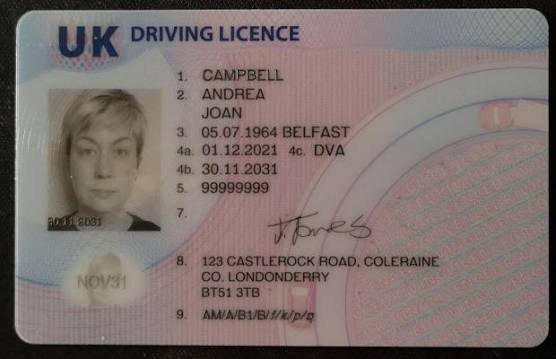
Full UK Driving Licence
To get a full UK driving licence, you must apply for a provisional licence, meet the age and eyesight requirements, pass the theory test, complete driving lessons, pass the practical test, and receive your full pink photocard licence from the DVLA.
That’s the whole journey in one sentence. Everything below breaks down exactly what each stage actually involves the real requirements, the real costs, and the real sequence, without any of it dressed up as simpler than it is. Full UK Driving Licence
What Is a Full UK Driving Licence?
A full UK driving licence is the pink photocard that replaces your provisional once you’ve passed your practical test. It removes the L-plate restrictions entirely.
What a full licence allows you to drive: for a standard Category B licence, cars up to 3,500kg, including towing a small trailer within combined weight limits, unsupervised, without L-plates, on any road including motorways. Full UK Driving Licence
Full licence vs provisional licence: a provisional lets you drive only under supervision (or with CBT for mopeds/motorcycles), with L-plates displayed, and with restrictions on motorways. A full licence removes all of that.
renew driving licence UK full driving licence UK driving licence application UK
Why getting a full licence matters: beyond the obvious independence, it’s often required for employment, insurance purposes, and
practically speaking it’s the point at which learning to drive stops costing you lesson fees and starts just being part of life. Full UK Driving Licence
1. The Requirements: Who Can Apply?
Minimum age requirements:
- 17 years old for a standard car licence
- 16 if you receive the enhanced rate of the mobility component of PIP
Residency requirements: you must be a resident of Great Britain to apply through DVLA (Northern Ireland uses a separate system via the DVA).
Eyesight standards:
- Able to read a number plate from 20 metres, with glasses or contact lenses if needed
- This is checked before your practical test even begins fail it, and the test ends immediately, no exceptions
Medical requirements: you must declare any relevant medical conditions that could affect your ability to drive safely, as part of your licence application.
Identity documents you’ll need:
- A valid passport this is the fastest route to instant online identity verification
- Without one, you’ll need a paper D1 application with alternative accepted identity evidence
Applying for a provisional licence: done directly through the official GOV.UK service never a third-party site charging extra for the same process.
Before You Can Take the Driving Test
Learning with a qualified instructor: while not a strict legal requirement, learning with a DVSA Approved Driving Instructor (ADI) gives you structured, properly paced tuition genuinely important given what’s coming in the cost section below. Full UK Driving Licence
Private practice rules: you can practise with a supervisor who is over 21 and has held a full licence in that category for at least three years, provided the car is correctly insured for learner driving.
Manual vs automatic licence: pass your test in a manual car, and you’re licensed for both manual and automatic. Pass in an automatic, and your licence restricts you to automatic vehicles only a genuinely important decision to make deliberately, not by default.
Booking your theory test: required before you can book your practical test, and valid for two years once passed. Driving theory test
2. The Costs: Budgeting for Your Journey
Here’s where a real budget matters more than a vague guess and where the difference between doing this online versus on paper is worth understanding clearly.
Fixed UK government fees:
| Service | Government Fee |
|---|---|
| Provisional Driving Licence (online) | £34 |
| Provisional Driving Licence (paper application) | £43 |
| Car Theory Test | £23 |
| Practical Driving Test (weekday) | £62 |
| Practical Driving Test (evening, weekend & bank holiday) | £75 |
The online vs paper gap is worth taking seriously. That £9 difference on your provisional licence application might look trivial, but it’s a genuine, no-effort saving apply online with a passport, and you’ll also typically get your licence back within about a week, versus a noticeably longer wait for a postal D1 application. There’s no upside to the paper route unless you genuinely have no other option, such as lacking a passport for instant verification.
Average driving lesson costs: typically £30–£40 per hour with a qualified instructor, varying by region and instructor experience.
The real number that shapes your total budget 45 hours of professional tuition: driving organisations commonly recommend around 45 hours of professional lessons, plus 22 hours of private practice, as a realistic average for a learner with no prior experience to reach test standard. This isn’t an official DVSA minimum requirement some learners need fewer hours, some need considerably more but it’s a genuinely useful planning benchmark.
What 45 hours actually costs: at a typical £30–£40 hourly rate, that’s £1,350–£1,800 in lesson fees alone, before theory or practical test fees are added. This is the figure most cost calculators quietly skip past, and it’s usually the single largest expense in the entire process far more than any government fee.
Intensive driving course costs: condensed courses covering the same total hours in a shorter timeframe typically cost broadly similar overall, sometimes slightly more per hour, in exchange for faster completion genuinely useful for tight deadlines, but not usually a cost-saving shortcut. Driving theory test
Additional expenses to budget for:
- Theory test revision materials apps or books, typically £5–£20
- Retest fees the full test fee again if you don’t pass first time, for both theory and practical
- Learner insurance, if practising in a family car rather than solely through instructor lessons
Ways to Reduce the Cost
- Practise with family between lessons. Every hour of free, supervised private practice is an hour you’re not paying an instructor for — provided the car is correctly insured
- Block-book lessons where your instructor offers a discount for bulk bookings rather than pay-as-you-go
- Avoid retest fees entirely by being honest with yourself and your instructor about genuine readiness before booking, rather than booking hopefully
- Choose the right instructor, not just the cheapest hourly rate a slightly pricier instructor who gets you test-ready in fewer hours can cost less overall than a cheap one who takes twice as long
3. The Process: Your Step-by-Step Blueprint
Step 1 —Apply for a provisional licence: online, with a passport, for £34 and roughly a week’s turnaround.
Step 2 Learn to drive: structured lessons with a qualified instructor, supplemented with private practice where possible, working toward the realistic ~45-hour benchmark. Driving theory test
Step 3 Pass the theory test: book once your instructor confirms you’re making genuine progress, not right at the start of lessons — remember it’s valid for two years, so timing matters.
Step 4 Book the practical test: as soon as your instructor indicates you’re within realistic reach of test standard, since waiting times can run into months in some areas.
Step 5 Pass the practical test: on the day, you’ll need your provisional photocard licence no licence, no test, no refund. Driving theory test
Step 6 Receive your pink photocard licence: in most cases, this happens automatically once your examiner submits your pass result to DVLA, typically arriving within around three weeks. You can drive immediately after passing, without waiting for the physical card.
UK driving licence apply for a driving licence UK provisional driving licence UK
How Long Does It Take to Get a Full UK Driving Licence?
Typical timeline: allowing for provisional processing, a realistic run of lessons toward the 45-hour benchmark, and current test waiting times, most learners take several months to around a year from a standing start to a full licence.
Factors that cause delays:
- Practical test waiting times, which have run well above historical averages in recent years
- Inconsistent lesson scheduling
- once-a-fortnight lessons take considerably longer to build skill than weekly ones
- Booking tests before genuinely ready, leading to a fail and a full resit cycle
How to speed up the process: apply for your provisional online immediately, book lessons consistently rather than sporadically, and get on the practical test waiting list the moment your instructor gives the go-ahead don’t wait for a “perfect” feeling that may never arrive. Driving theory test
Common Mistakes to Avoid
- Booking tests too early before genuine readiness, resulting in an avoidable fail and repeat fees
- Not practising enough between lessons private practice genuinely accelerates progress and reduces total lesson costs
- Ignoring eyesight requirements until test day, when a failed eyesight check ends the test immediately
- Missing documents arriving without your provisional photocard is one of the most common, entirely avoidable causes of a cancelled test
- Letting your theory test expire it’s valid for two years only; don’t sit it too early relative to your practical test timeline What to Do If You Lost Your Practical Test Pass Confirmation
Frequently Asked Questions
How long does it take to get a full licence? Typically several months to around a year for most learners, depending on lesson frequency, how many hours you need to reach test standard, and current practical test waiting times. Driving theory test
How much does it cost? Government fees alone total roughly £119–£140 depending on your route. Add typical lesson costs for around 45 hours of tuition, and total spend commonly lands between £1,500 and £2,000. Driving theory test
Can I drive immediately after passing? Yes. You can drive unsupervised immediately after passing your practical test, provided your car is taxed, insured as a full licence holder, and roadworthy you don’t need to wait for your photocard to arrive.
How long is the theory test valid? Two years from your pass date. You must pass your practical test within that window, or you’ll need to resit theory before booking another practical test.
How to Pass the UK Theory Test on Your First Try Practical Driving Test Tips to Pass First Time How to Book Your Practical Test After Passing Theory
Can I upgrade from automatic to manual? Yes, but not automatically if you passed your test in an automatic car, you’d need to pass a further practical test in a manual vehicle to add that entitlement to your licence.
Final Thoughts
Getting a full UK driving licence is a genuinely well-defined process
the requirements are clear, the government fees are fixed and modest, and the real variable cost is almost entirely down to how many lessons you need and how efficiently you book your tests. Budget realistically for the 45-hour bench mark, apply online wherever possible, and treat consistent practice as the thing that actually shortens your timeline not luck, and not a “quick” shortcut course that skips the fundamentals. Driving theory test